
Volition and Stress: How Conscious Choice Shapes Your Wellbeing
- Aidan
- Mar 11, 2025
- 3 min read
Updated: Oct 16, 2025
What Is Volition?
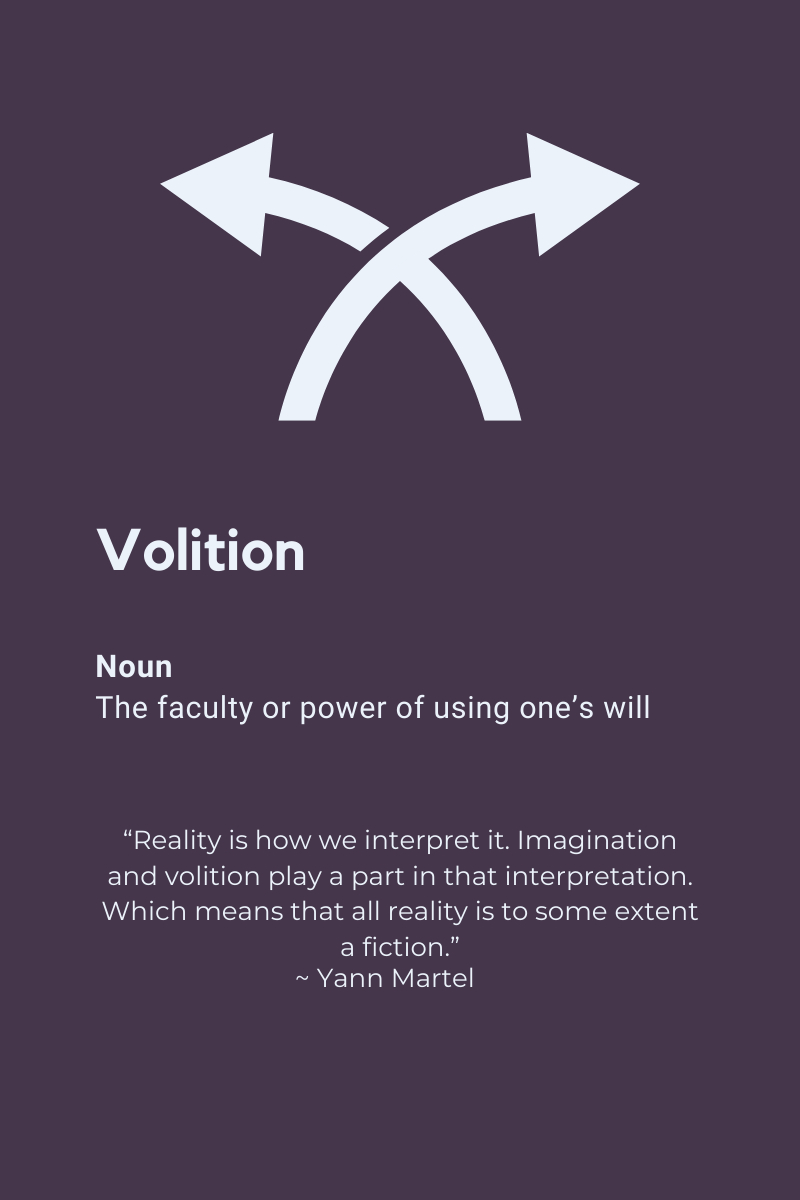
Volition is the exercise of free will, the act of making conscious choices and engaging intentionally with your life.
Most of us, however, often operate on autopilot. We move through daily routines, making tea, driving to work, scrolling through our phones, with little conscious awareness. These habits are efficient, but they can also disconnect us from the present moment.
Our brains are designed for efficiency, which helps us save mental energy. Yet this same ability can cause us to coast through life, where days blur together and memories lose their vividness. Some years seem to fly by unnoticed, while others feel long and rich with meaning.
That’s why both sayings, “life is short” and “life is long,” hold truth.
When we live consciously, life feels longer, full of texture and detail.
When we drift through routine, life feels shorter, with fewer moments that truly stand out.
Why Volition Matters
Practicing volition empowers us to make active, dynamic decisions about our lives. It allows us to adapt when things need to change, and to appreciate each moment as it happens.
Change requires more than motivation, it requires volition.
Motivation gets us started (“I want to feel better”).
Volition keeps us committed (“I will take the steps to feel better”).
For example, motivation might inspire someone to seek therapy, but volition is what keeps them showing up, session after session, even when it’s difficult.
Psychological research supports this. Studies show that volition is a key factor in behavioural change and resilience (Brebels et al., 2017). People who actively engage their sense of choice and purpose are better able to manage challenges and maintain personal growth.
The Connection Between Volition and Stress
When we feel stressed, it often seems as though we’re losing control, like life’s demands are overwhelming us. In these moments, our sense of volition can feel diminished.
However, research shows that strengthening our sense of agency (our belief that we can influence outcomes) can improve how we cope with stress (Skinner & Zimmer-Gembeck, 2016).
By consciously choosing where to focus our attention and effort, we can reduce feelings of helplessness. Even when circumstances are outside our control, we still have the power to decide how we think and respond.
We may not control every event in life, but we always control our response.
Practicing volition helps us regain balance. It reminds us that we can choose our perspective, take meaningful action, and approach challenges with calm, intentional focus.
Building Volition in Daily Life
If you want to strengthen your volition and lower stress, try these mindful practices:
Pause and Notice: Take a few seconds throughout the day to check in - What are you doing automatically? What can you choose to do differently?
Set Intentions: Begin your morning by choosing one thing to do with awareness.
Reflect Daily: Before bed, recall one moment where you acted consciously instead of habitually.
Limit Multitasking: Doing one thing at a time helps bring conscious awareness to your actions.
Seek Growth: Try something unfamiliar - new routes, new meals, or new hobbies. Challenge invites volition.
Final Thoughts
Volition is more than willpower, it’s the essence of living deliberately. By engaging your volition, you not only enhance your sense of control but also improve your mental wellbeing and stress resilience.
In a world that often runs on autopilot, choosing to live with volition might just be the most powerful act of freedom we have.


Comments