
When Trying to Sleep Keeps You Awake: What Taoism and Buddhism Teach About Insomnia
- Aidan
- Dec 1, 2025
- 4 min read
Do you ever lie in bed trying to fall asleep? Counting breaths, replaying the day, getting frustrated that you’re still awake? If so, you’ve experienced one of the most common paradoxes of modern life: the harder we try to sleep, the more elusive rest becomes.
This struggle is not just psychological or medical, it’s deeply philosophical. Both Taoism and Buddhism offer profound insights into insomnia and the art of effortless rest.
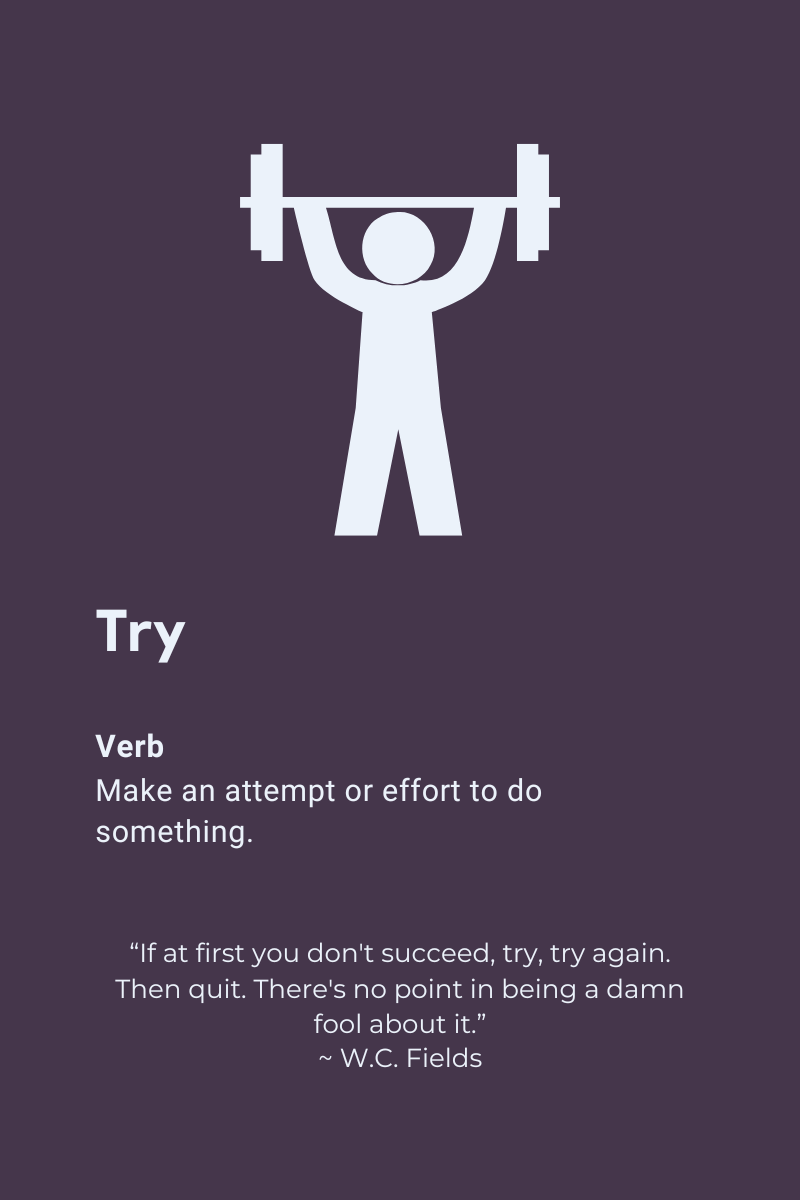
The Paradox of Effort in Insomnia
When we can’t sleep, we usually respond with effort: we adjust pillows, track our sleep cycles, or mentally repeat “I need to sleep.” But sleep isn’t something we can do, it’s something that happens when conditions are right.
In Taoist philosophy, this is the difference between striving and flowing. Lao Tzu’s Tao Te Ching says:
“When nothing is done, nothing is left undone.”
This principle, known as wu wei (effortless action), teaches that true harmony comes from aligning with nature, not forcing outcomes. When you stop trying to make sleep happen, you begin to let it arrive on its own.
How Buddhism’s Middle Way Helps a Restless Mind
Buddhism speaks of the Middle Way, a balance between extremes of indulgence and denial. In insomnia, the mind swings between these poles: craving sleep and resisting wakefulness.
By practicing mindful acceptance, we can soften this internal battle. Instead of labelling wakefulness as a failure, we can observe it without judgement. This simple awareness brings relaxation to the nervous system, which naturally supports better sleep quality.
Try this: When you can’t sleep, notice the sensations of your body lying down, the warmth of the sheets, the rhythm of your breath. You’re already resting, even if you’re not yet asleep.
The Word “Try” in Hypnosis — and Why It Matters
In hypnosis, language is everything. One of the first lessons hypnotherapists learn is the paradoxical nature of the word “try.”
When a person is told, “Try to relax” or “Try to sleep,” the subconscious mind hears a built-in assumption of struggle and potential failure. To try presupposes the possibility, even the expectation, that one might not succeed.
As hypnotherapist Milton Erickson often demonstrated, telling someone to try to resist a suggestion often led them to do the opposite. Why? Because trying activates effortful attention, the very thing that keeps the mind alert.
When we say “try to sleep,” we send a mixed message to the nervous system:
Rest… but keep working at it.
This creates a loop of tension, frustration, and wakefulness. The opposite of what the body needs to drift into sleep.
The CBH Model: Reframing Effort Through Mind and Language
In Cognitive Behavioural Hypnotherapy (CBH), we blend evidence-based cognitive strategies with hypnotic methods to change unhelpful thoughts, beliefs, and language patterns.
For insomnia, this often involves helping clients shift from control to cooperation, reframing thoughts like:
“I’m trying to sleep” → “I’m allowing rest to happen.”
“I can’t stop thinking” → “Thoughts come and go; I don’t have to chase them.”
“I need to make myself relax” → “I can notice relaxation already present.”
Through guided hypnotic relaxation and cognitive restructuring, clients learn that sleep is not commanded but invited. The therapeutic aim is to remove mental effort, to disengage the striving system, and engage the body’s natural sleep response.
This approach is deeply aligned with both Taoist wu wei and the Buddhist Middle Way: effort balanced by ease, intention balanced by surrender.
How to Sleep Without Trying: Taoist and Buddhist-Inspired Practices
These gentle practices bring together the wisdom of both traditions and modern mindfulness:
1. Surrender to Gravity
Feel the bed supporting you. Imagine the earth holding your body. You don’t have to do anything, just allow yourself to be held.
2. Breathe Naturally
Let the breath move by itself. There’s no need to control it; it has been breathing you since birth.
3. Watch Thoughts Drift
When thoughts arise (“Why can’t I sleep?”), acknowledge them like clouds in the sky. Then gently return to your body and breath.
4. Release the Goal of Sleep
Instead of thinking, “I must fall asleep,” think, “I’m giving myself permission to rest.” Paradoxically, this mindset often leads to faster, deeper sleep.
The Way, the Middle, and Modern Life
Both Taoism and Buddhism remind us that peace isn’t found through control, it’s found through alignment. Sleep, like the Tao, flows naturally when we stop grasping for it.
In an age of constant productivity, the idea of not trying can feel strange. But the body knows how to rest, our task is to stop interrupting that wisdom.
When we approach insomnia as a teacher rather than an enemy, we discover that restfulness begins not in the body, but in the mind.
Key Takeaways
Sleep cannot be forced; it happens naturally when we stop striving.
Taoism’s wu wei and Buddhism’s Middle Way both teach balance and non-resistance.
Mindful acceptance reduces anxiety and supports healthy sleep patterns.
Insomnia can be transformed from frustration into an opportunity for awareness and self-compassion.
Final Reflection
Next time you can’t sleep, remember: you’re not failing. You’re being invited to practice the Way, the art of letting go.
Rest is already within you. Sometimes, the softest path is the one that leads you, gently and quietly, into sleep.


Comments